Exploring Advanced 3D Printing Materials - From Carbon Fiber to Flexible Filaments

3D printing has moved far beyond simple plastic prototypes. Today, advanced 3D printing materials are transforming how industries design, prototype, and manufacture parts. From lightweight composites to high-strength metals, additive manufacturing now supports real-world applications across aerospace, automotive, healthcare, and consumer products.
Thermoplastics: The Foundation of 3D Printing
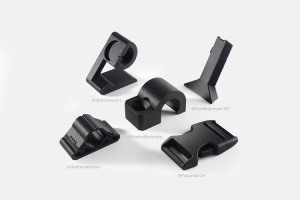
Thermoplastics remain one of the most widely used materials in 3D printing. Options like PLA, ABS, and Nylon are popular for their affordability, versatility, and ease of use. They’re often the first choice for rapid prototyping, but advanced blends now provide improved durability, heat resistance, and even flexibility. This makes thermoplastics a reliable option not just for models, but also for functional, end-use components.
Continuous Fiber Composites: Strength Meets Lightweight
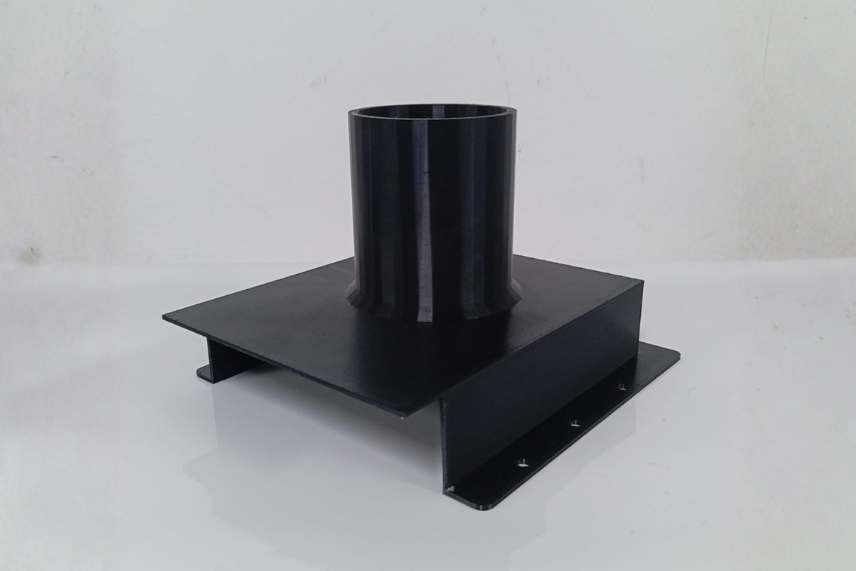
For applications where weight reduction and strength are equally important, continuous fiber composites are a breakthrough. By reinforcing base thermoplastics with materials like carbon fiber, Kevlar, or fiberglass, these parts achieve exceptional stiffness and strength-to-weight ratios. Industries such as aerospace, automotive, and robotics rely on continuous fiber 3D printing to create parts that can replace metal while remaining lightweight and durable.
Resins: Precision and Surface Quality
Resins, used in technologies like SLA (Stereolithography), are valued for their ability to produce highly detailed prints with smooth finishes. They are particularly useful in industries that demand accuracy and fine detail, such as dental, jewelry, and medical device manufacturing. With the availability of specialized resins—such as flexible, high-temperature, and biocompatible options—engineers now have more freedom to tailor parts for specific applications.
Metals: Industrial-Grade Performance
Metal 3D printing has opened the door to producing strong, functional parts that meet industrial demands. Techniques such as SLM (Selective Laser Melting) make it possible to print with stainless steel, titanium, and aluminum. These materials deliver excellent mechanical properties, enabling the production of aerospace components, medical implants, and other mission-critical parts that require both strength and precision.
Powder-Based Technologies: MJF and SLS
Powder-based additive manufacturing is also gaining traction:
- MJF (Multi Jet Fusion) produces tough, high-quality nylon parts with fine detail and speed, making it ideal for functional prototypes and small-batch production runs.
- SLS (Selective Laser Sintering) works by fusing powdered polymers layer by layer, allowing designers to create complex geometries without the need for support structures. This capability is especially useful for industries where design freedom and part durability are top priorities.
The Future of Advanced 3D Printing Materials
From thermoplastics for versatility to carbon fiber composites for strength, resins for precision, and metals for industrial-grade applications, advanced 3D printing materials are unlocking new opportunities across industries. As material science continues to evolve, additive manufacturing is no longer limited to prototyping—it is becoming a mainstream production method that reshapes how businesses innovate.
The future of 3D printing will be defined not just by the machines we use, but by the materials that bring designs to life.