How Singapore Architects and Interior Designers Are Using 3D Printing for Scale Models
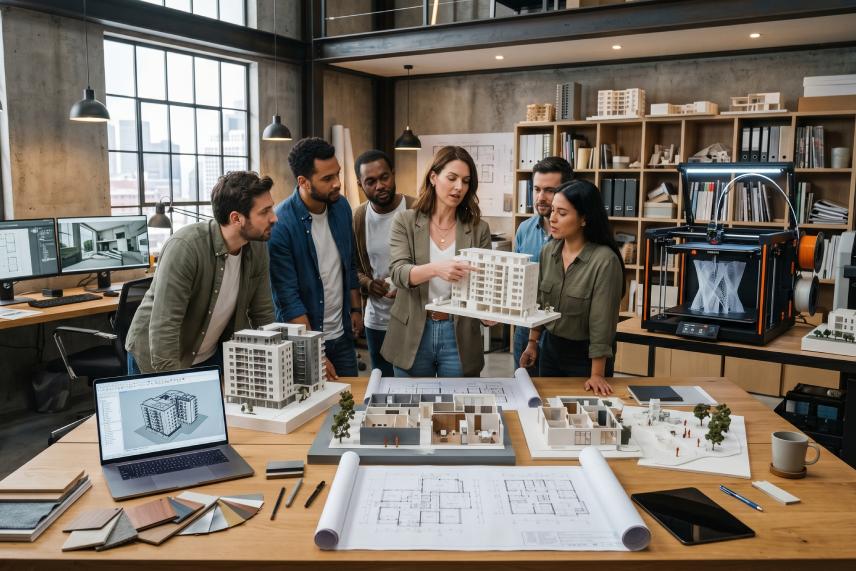
Walk into any architecture studio in Singapore today, and there's a good chance you'll spot a 3D-printed scale model sitting on the presentation table. Maybe it's a sleek condominium development, a landed home redesign, or a retail interior layout. Whatever the project, the model is there doing what no render or floor plan quite manages to do: making the design feel real.
The way designers communicate ideas has come a long way. We went from hand-drafted blueprints to CAD software, then to photorealistic renders and virtual walkthroughs. And yet, the physical scale model never really went away. If anything, it's making a stronger comeback than ever, thanks to 3D printing making it faster, more detailed, and more affordable than before.
In Singapore's competitive design and property market, that's a big deal.
Why Physical Scale Models Still Matter in a Digital World
Here's a question worth asking: with tools like SketchUp, Revit, and Lumion producing stunning visualisations, why would anyone bother with a physical model?
Because nothing replaces the experience of holding a space in your hands.
A render on a screen is impressive, but it's still just a flat image. A physical scale model is something a client can walk around, point at, lean in to study, and genuinely connect with. For homeowners, developers, and investors making decisions that run into hundreds of thousands or millions of dollars, that tangibility builds a kind of confidence that a digital presentation simply can't.
How 3D Printing Is Changing Architectural Model-Making
Traditional model-making was skilled, slow work. Architects and their teams would spend days (sometimes weeks) cutting foam board, shaping balsa wood, and piecing together acrylic by hand. Any design change from a client meant starting certain sections from scratch. It was time-consuming and costly, especially for smaller studios.
3D printing has changed all of that in four important ways.
1. Speed: From CAD File to Physical Model in Hours
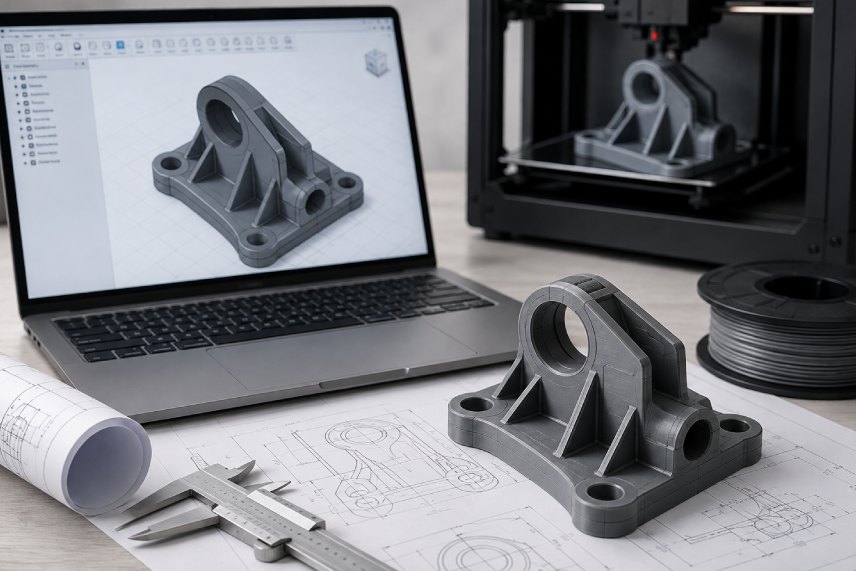
Once the design is finalised in software like Revit, AutoCAD, or Rhino, the 3D model can be exported and sent for printing almost immediately. A detailed architectural scale model can typically be produced within 24 to 72 hours, depending on complexity and size. What used to take a skilled craftsman a week can now be ready before the next client meeting.
For Singapore firms running tight project timelines, that kind of speed makes a real difference.
2. Precision: Details That Were Simply Impossible Before
Technologies like SLA (Stereolithography) can print features as fine as 0.1mm. That means window frames, louvres, structural columns, staircases, and even small landscaping elements like trees and water features can be accurately represented at scale. For interior designers, it means joinery details, custom furniture layouts, and feature wall designs can all be shown in a way that hand-crafted models never quite achieved.
The result is a model that actually looks like the finished project, not just a rough approximation of it.
3. Flexibility: Change One Part Without Rebuilding Everything
This is where 3D printing really earns its keep. When a client asks to shift a wall, widen a window, or tweak the roofline, only the affected component needs to be reprinted. The rest of the model stays intact. That modularity saves significant time and cost, and it lets designers respond to feedback without the rework becoming a project in itself.
4. Cost-Effectiveness: Accessible for Studios of Every Size
Getting a high-quality scale model made used to mean outsourcing to specialist model-making firms, which was expensive and often out of reach for smaller practices. Today, 3D printing services in Singapore have made professional-grade model production much more accessible. Whether it's a single landed property, an HDB renovation pitch, or a large mixed-use development, there's a solution that fits the budget.
Real Applications: What Singapore Designers Are Printing
Residential Property Showrooms
Property developers across Singapore use large 3D-printed models as centrepieces in their showrooms. A 1:200 or 1:500 scale model of an entire condominium development, complete with every block, the landscaping, the facilities deck, and the surrounding streetscape, gives buyers something to physically engage with. They can point to their unit, understand the orientation, and get a real feel for the development in a way that floor plans and brochures just can't replicate.
Interior Design Client Presentations
Interior designers are using 3D printing to produce scaled room layouts and furniture mockups before committing to fabrication. Showing a client a physical 1:20 or 1:50 model of their living room, with a scaled sofa, feature wall, and lighting positions all in place, cuts down on misunderstandings and drastically reduces the number of approval rounds needed.
Urban Planning and Government Submissions
Singapore's planning authorities, including the Urban Redevelopment Authority (URA), sometimes require physical models as part of development applications for larger projects. 3D-printed models can be produced to meet exact submission specifications and updated efficiently if amendments are needed after feedback.
Architectural Competition Entries
Design competitions regularly ask for physical models as part of the submission package. 3D printing lets competition teams produce precise, well-finished models quickly, even when working right up to a deadline.
Heritage and Conservation Projects
For conservation and restoration work, 3D scanning combined with 3D printing lets architects capture the exact geometry of existing heritage buildings and produce accurate scale replicas. This is especially relevant in Singapore, where conservation areas like Tiong Bahru, Kampong Glam, and Chinatown require careful documentation of existing structures before any restoration begins.
Choosing the Right Technology for Architectural Models
Not all 3D printing processes produce the same result, so it's worth understanding the options before committing to one.
SLA (Stereolithography) is the most popular choice for presentation-grade architectural models. It produces smooth surfaces with excellent detail, ideal for facades, interior finishes, and anything a client will be looking at closely. Parts can be sanded, primed, and painted to a very clean finish.
FDM (Fused Deposition Modelling) is a more affordable option for larger concept models where you need speed and volume rather than fine surface detail. It's great for internal design development and early-stage explorations.
SLS (Selective Laser Sintering) and MJF are well-suited to complex geometries with intricate internal structures, which makes them useful for parametric or organic architectural forms.
For most Singapore studios, SLA is the go-to technology for anything client-facing, while FDM handles the rougher work done in-house during the design process.
Post-Processing: Turning a Print Into a Showpiece
A model fresh off the printer is just the starting point. What turns it into something boardroom-ready is the post-processing that comes after.
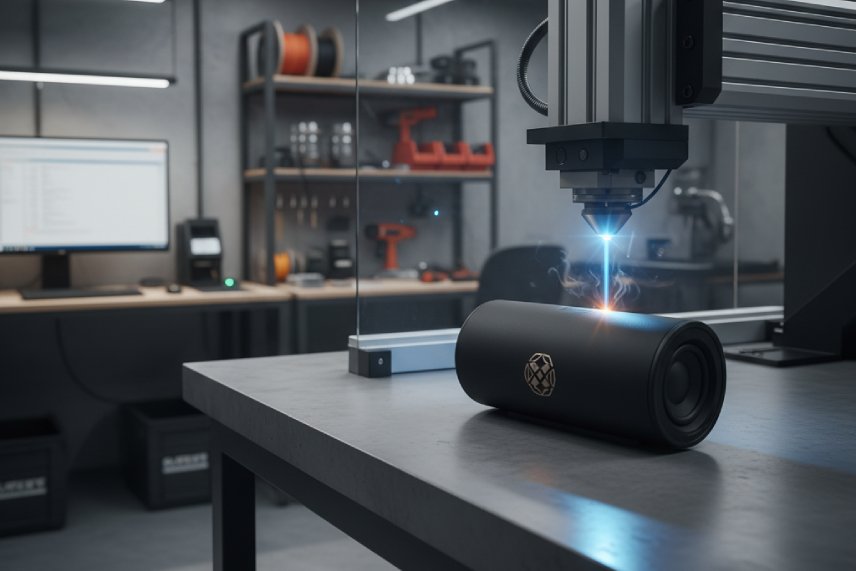
That typically includes sanding and surface smoothing, primer application, painting to the specified finish (matte, gloss, or textured), adding clear acrylic glazing for windows, integrating LED lighting inside the model, and laser-cutting base boards and site surrounds.
At 3D Specialist, we handle the full post-processing workflow in-house, so you receive a finished model, not just a print that still needs work.
What to Look for in a 3D Printing Partner in Singapore
If you're an architect or interior designer thinking about 3D printing for your next project, here's what's worth checking before you commit to a provider.
File compatibility: They should be able to work with STL, STEP, OBJ, and files exported directly from Revit, Rhino, or SketchUp, without asking you to do a lot of conversion work on your end.
Technology range: Access to SLA, FDM, and SLS means they can match the right process to your specific model type and budget.
Post-processing capability: Printing and finishing under one roof saves you time and means better quality control throughout.
Turnaround time: Project timelines in design are rarely forgiving. Make sure your provider gives you a clear timeline and can handle urgent jobs when needed.
Consultation: A good partner will advise you on the best approach for your project rather than just processing whatever file you send over.
Conclusion
3D printing isn't replacing what architects and interior designers do. It's making it easier to show clients, authorities, and investors exactly what they're going to get before anything is built.
In a market like Singapore, where design quality and presentation standards are high, that ability to bring a design to life as a physical object is genuinely valuable. Whether you're preparing for a client pitch, a property launch, or a competition submission, a well-made scale model is still one of the most effective tools you have.
At 3D Specialist, we work with architecture and interior design firms across Singapore to produce scale models that are precise, well-finished, and ready for the room they're walking into.
Got a project coming up? Get in touch with us and let's talk about what you need.