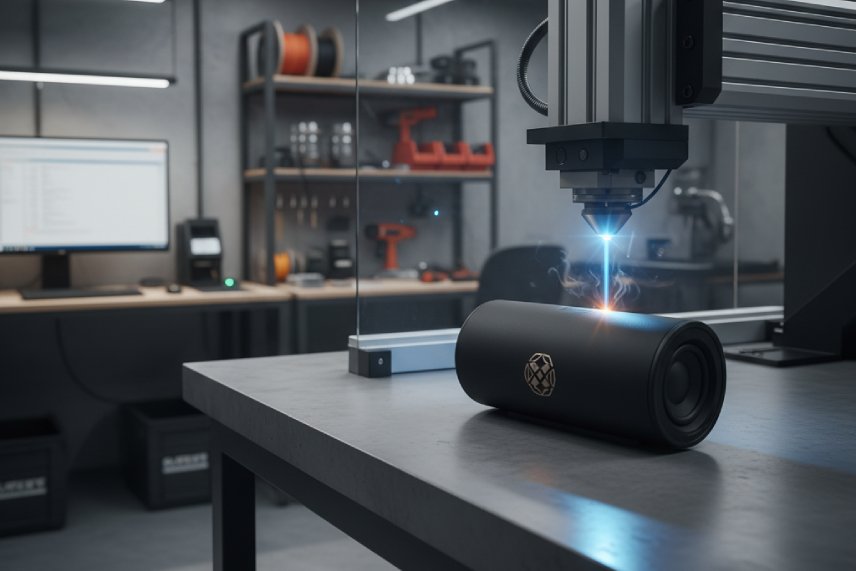
How 3D Printing is Changing the Game for Engineers in Singapore
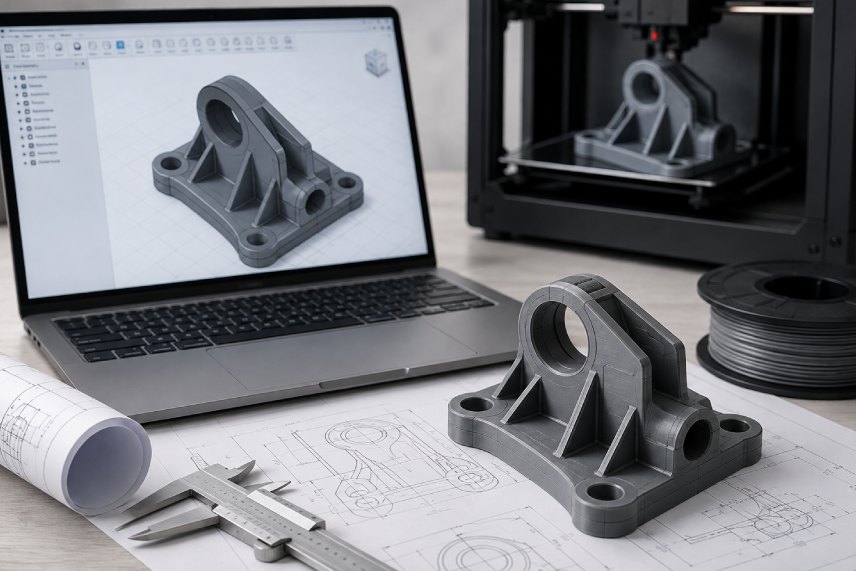
Engineers are always looking for better, faster, and smarter ways to build things. Whether it’s a medical device or a mechanical part, the pressure to innovate is real—especially in a fast-moving place like Singapore. That’s where 3D printing comes in. It's no longer just some futuristic tech; it’s now a real, accessible tool that’s helping engineers design, test, and make parts without the long lead times or high costs of traditional methods.
Instead of investing in expensive machines, many engineers are turning to affordable 3D printing services. Companies like 3D Specialist offer the tools, materials, and know-how to help bring ideas to life quickly—without needing to set up a full-blown production line.
Why Engineers are Turning to 3D Printing
The engineering industry is facing a few tough challenges. There’s a shortage of skilled professionals, tighter deadlines, and more pressure to be sustainable in the way we design and produce. Add to that global supply chain issues (which we all felt during the pandemic), and suddenly, traditional ways of working don’t feel fast or flexible enough.
3D printing offers a way out. Engineers can now test ideas faster, build custom parts on demand, and cut down on waste—since the process uses only what’s needed, layer by layer. It’s especially useful for low-volume production or early-stage prototypes when making a mould just doesn’t make sense.
Plus, with sustainability becoming a priority, 3D printing stands out. It uses fewer materials, generates less waste, and helps reduce the carbon footprint of your project—without compromising quality.
Real Use Cases: Not Just Theory
This isn’t just hype. Here’s how 3D printing is already being used in engineering:
- A company used advanced 3D printing to make custom helmets for babies with head shape issues—super precise, lightweight, and comfortable.
- In the drone industry, engineers managed to replace multiple heavy parts with a single lightweight 3D-printed structure, saving both weight and time.
- Researchers even created interactive components like joysticks and switches using special 3D-printed materials that can detect motion.
These examples show how flexible and powerful the tech is. Whether you're working on a prototype, a one-off part, or even exploring smart devices, there’s probably a way to make it easier (and faster) with 3D printing.
Final Thoughts
Engineering will always come with challenges—but we don’t have to face them with outdated tools. 3D printing has opened up new ways to work faster, waste less, and build better. And with experienced teams like 3D Specialist offering reliable 3D printing services right here in Singapore, it’s easier than ever to get started.
If you're an engineer looking to push boundaries (without blowing the budget), maybe it’s time to see what 3D printing can do for you.