Post-Processing for 3D Printing – How We Turn Raw Prints into Finished Products
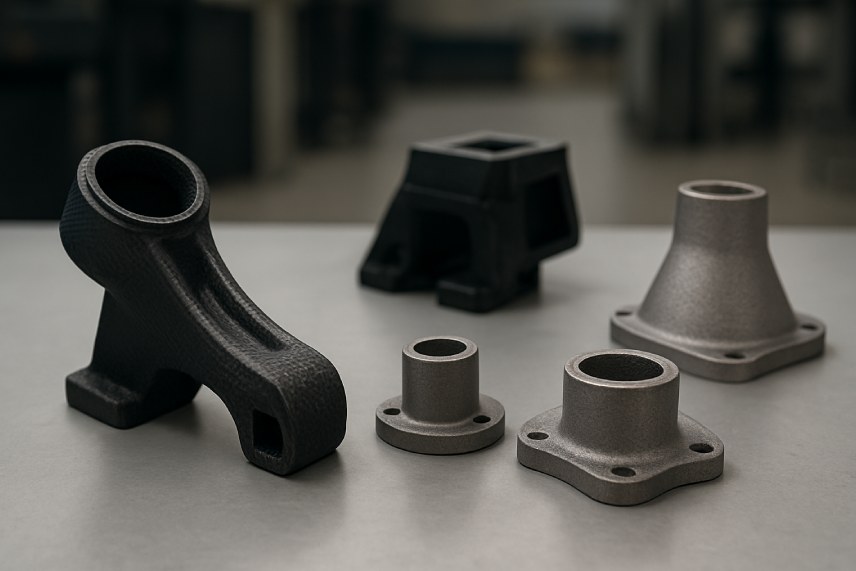
At 3D Specialist, post-processing isn’t just an afterthought — it’s an integral part of how we deliver high-quality parts to our customers. Whether it’s a single prototype or a full production run, our goal is to make sure every part that leaves our workshop looks and performs exactly as intended.
What We Mean by Post-Processing
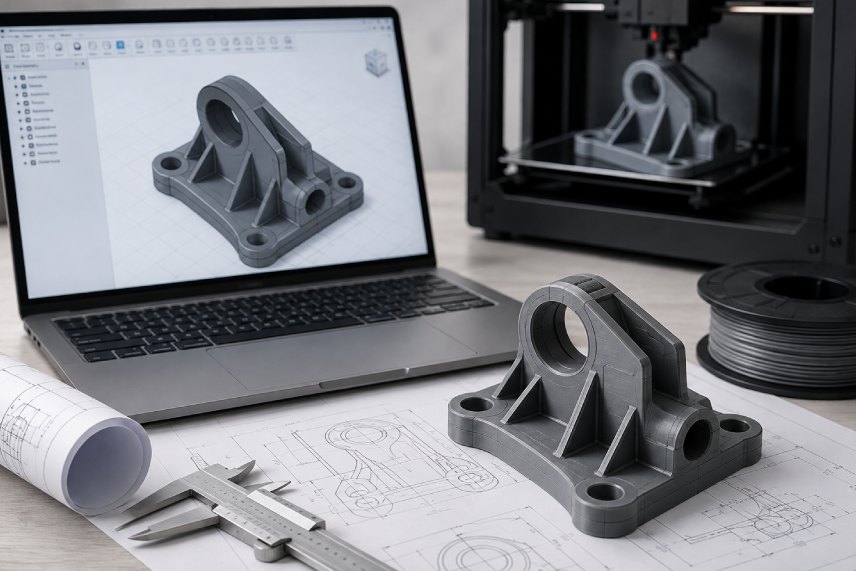
Post-processing is everything that happens after printing to improve the part’s appearance, precision, or durability. Depending on the material, design, and end-use, this could mean:
- Removing support structures and excess material
- Smoothing surfaces through sanding or blasting
- Painting, coloring, or plating for a premium finish
- Adding threads or assembly features
- Applying protective coatings or treatments
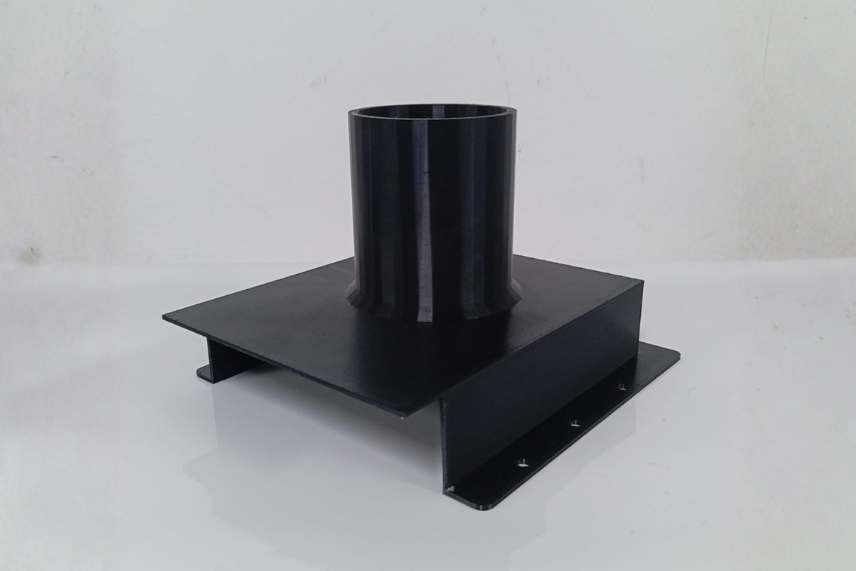
Simply put, it’s the transformation from raw print to finished product.
How We Deliver Post-Processing at 3D Specialist
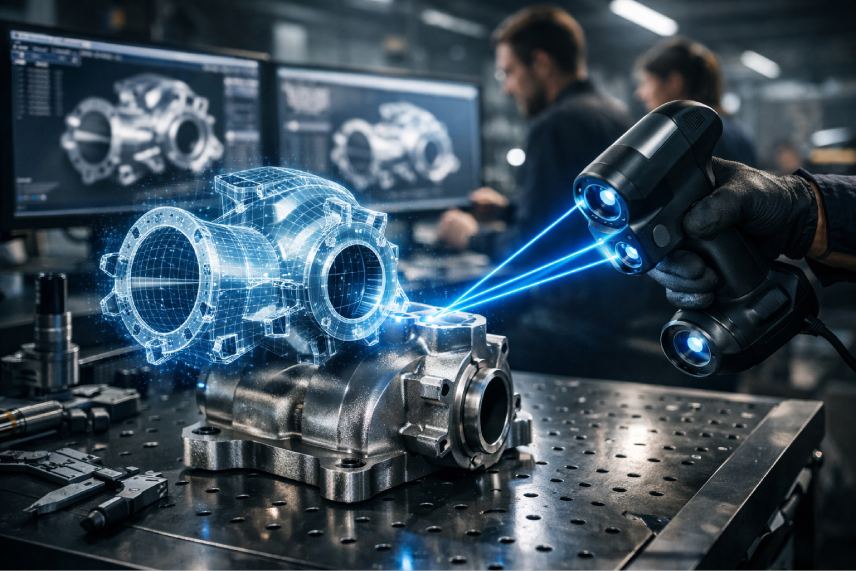
- Initial Inspection
The moment a part comes off the printer, our team checks it for accuracy and print quality. This helps us decide which post-processing steps will be needed. - Support Removal & Cleaning
We carefully remove any support material, clean off powder or resin residues, and prepare the surface for further work. - Surface Refinement
After cleaning, we refine the surface to meet the desired finish—sanding and polishing for smoothness, sandblasting for uniform texture or coating prep, and heat treatment for metals to boost strength and hardness. - Detailing & Finishing
In this stage, the part gets its final look and function, with options like threading for assembly, plating for durability, coloring or anodizing for brand identity, and laser etching for precise, permanent markings. - Final Quality Check
Every finished part is inspected again before delivery. We check for surface defects, dimensional accuracy, and overall presentation.
Why Our Customers Choose Us
- Tailored to Your Needs – We don’t apply the same process to every job; we select steps based on your part’s purpose and your visual/functional requirements.
- Full In-House Capability – No outsourcing. All post-processing is done by our own team for full control over quality and timelines.
- Production-Ready Results – Whether it’s a display prototype, a working machine part, or a consumer product, it’s ready to go straight out of the box.
The Techniques We Use
- Sanding & Polishing: We use manual and machine sanding to remove visible layer lines and smooth rough surfaces. Polishing adds a reflective finish that enhances aesthetics and improves resistance to wear and corrosion.
- Sandblasting: By propelling fine abrasive particles at high speed, we can clean surfaces, remove stubborn residues, and create an even texture. It also improves paint or coating adhesion.
- Threading: Creates precise helical grooves so parts can be securely screwed together. We handle both internal and external threads.
- Plating: A thin metal coating like nickel, chrome, or gold is applied to improve corrosion resistance, reduce friction, and give a decorative look.
- Coloring: We offer painting, dyeing, and anodizing tints for branding or functional purposes like UV protection.
- Heat Treatment: Controlled heating and cooling for metals to increase hardness, strength, and wear resistance.
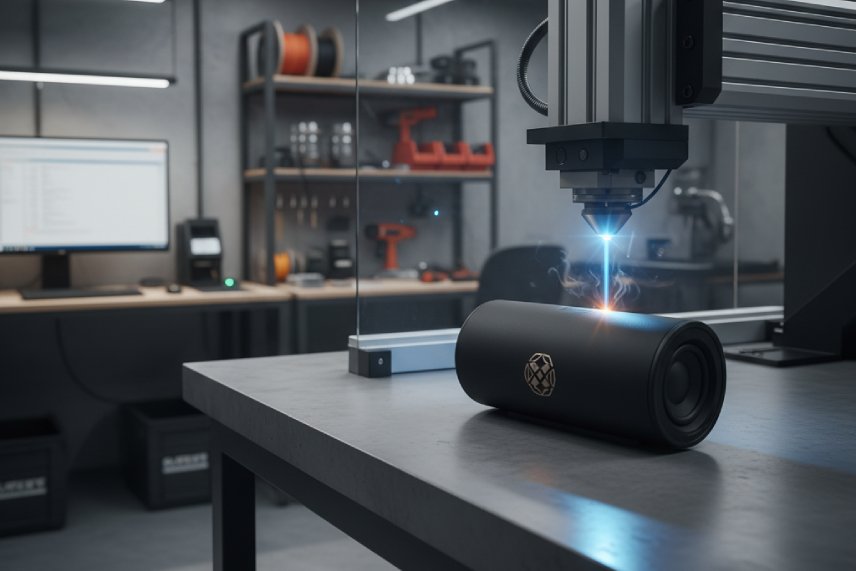
- Laser Etching: Creates sharp, permanent markings such as serial numbers, barcodes, or logos on various materials.
- Anodizing: Forms a protective oxide layer on aluminum, improving corrosion and wear resistance while allowing decorative coloring.
From Print to Perfection
In 3D printing, the print is just the beginning. Post-processing is where your part truly becomes a product — refined, functional, and ready for use.
If you have a project that needs more than just a print, talk to us. We’ll handle the post-processing so you receive a part that’s ready for its real-world role.
Get a Quote and see how we can bring your parts to life.